Wellbeing in the Classroom: Students and Teachers

Erasmus+ Funded Professional Development | Seville, Spain 2026

Erasmus+ wellbeing and mental health teacher training course in Seville Spain

About This Wellbeing and Mental Health Training Course

Wellbeing in the Classroom: Students and Teachers addresses one of the most pressing challenges in contemporary education: how to create and sustain learning environments that prioritize mental health, balance, and human flourishing. In an era marked by increasing stress, digital overload, and social complexity, both students and teachers are at risk of burnout, anxiety, and emotional exhaustion. This course offers educators the knowledge, tools, and reflective practices needed to build classrooms where wellbeing is not an afterthought but a foundational principle.

Through mindfulness practices, evidence-based stress management techniques, and positive psychology frameworks, participants will learn to cultivate resilience, regulate emotions, and establish healthy boundaries. The course emphasizes self-care not as selfish indulgence but as professional responsibility—recognizing that a teacher's own mental health directly influences the emotional climate and learning capacity of their students. Practical workshops will guide participants in designing routines, rituals, and pedagogical approaches that foster calm, connection, and psychological safety.

Ultimately, Wellbeing in the Classroom empowers educators to model balance, compassion, and authenticity—creating spaces where learning is joyful, relationships are nourishing, and every individual feels supported in their journey toward wholeness.

What You'll Learn in This Course

  • Understanding the science of stress, burnout, and resilience
  • Practical mindfulness and meditation techniques for classroom use
  • Strategies to recognize and prevent teacher burnout
  • Creating psychologically safe learning environments
  • Positive psychology tools to foster student and teacher wellbeing
  • Self-care routines and boundary-setting practices
  • Building resilience in students through daily practices
  • Managing anxiety, conflict, and emotional overwhelm

Who Should Attend This Course

This professional development course is specifically designed for:

  • Primary and secondary school teachers seeking wellbeing strategies
  • School counselors and psychologists implementing mental health programs
  • Special education teachers working with vulnerable student populations
  • School leaders and administrators creating wellbeing-focused school cultures
  • Teacher trainers and mentors supporting educator mental health
  • Education professionals experiencing stress or seeking work-life balance

Key Benefits & Learning Outcomes

Professional Skills

  • Master mindfulness techniques adaptable to any classroom
  • Implement stress reduction routines for students and self
  • Design wellbeing-centered lesson plans and activities
  • Recognize early warning signs of burnout and anxiety

Career Impact

  • Europass Mobility Certificate (20 hours)
  • Erasmus+ recognized professional development
  • Enhanced personal wellbeing and job satisfaction
  • Improved student engagement and classroom climate
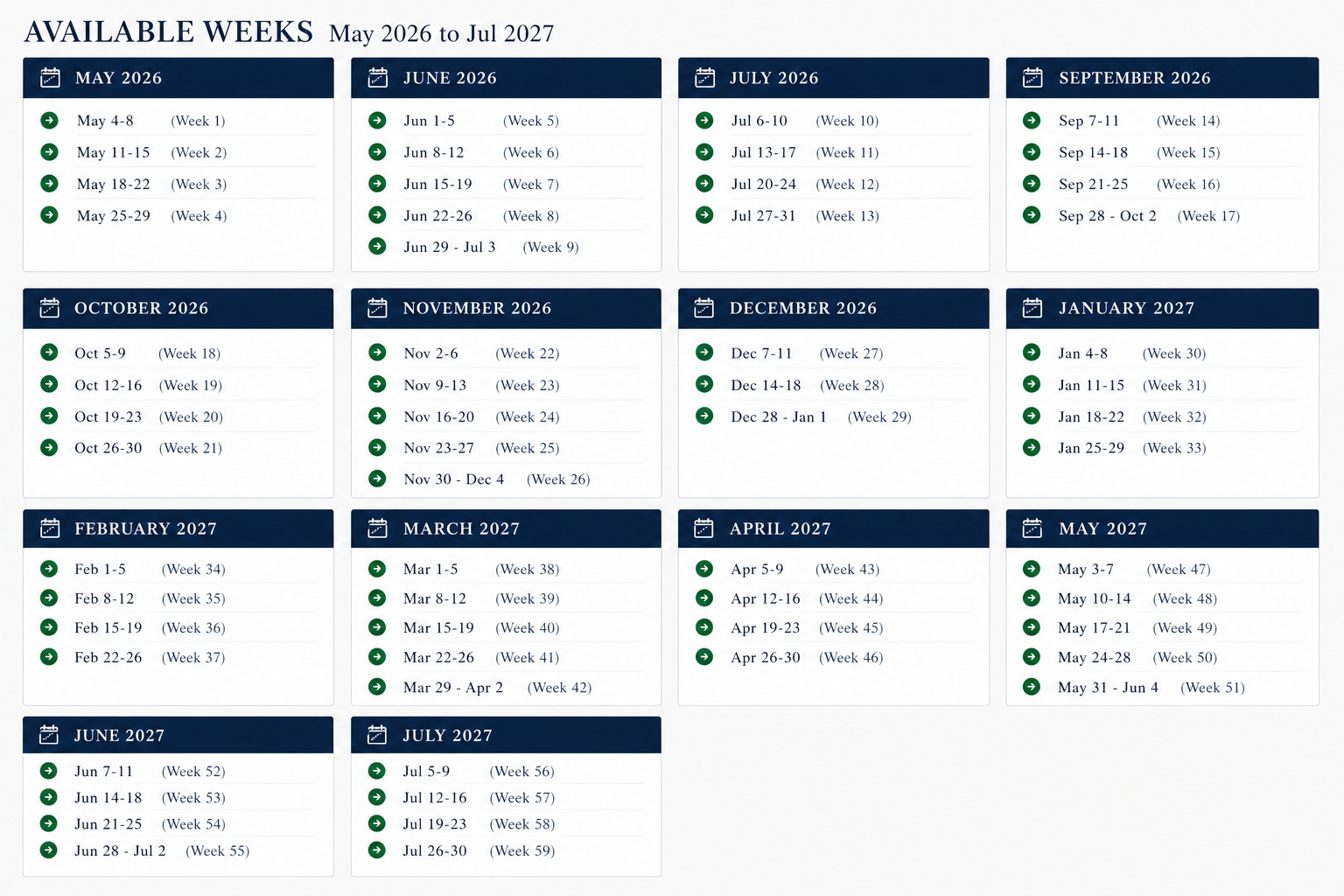
Course Fee

€480

Available Seats

20 participants per session

Duration

5 days (Monday-Friday)

Schedule

Morning and afternoon sessions

Language

English

Erasmus+ Eligible

✓ Yes

Course Learning Objectives

1. Understand the neuroscience of stress, burnout, and resilience

Participants will explore the biological and psychological mechanisms behind stress and burnout, gaining insight into how chronic pressure affects the brain, nervous system, and overall wellbeing. The course will examine the difference between productive stress and harmful distress, and introduce the concept of resilience as a learnable skill rather than an innate trait. Teachers will discover how their own stress levels directly influence classroom climate, student behavior, and learning outcomes. By understanding the science of wellbeing, educators can make informed choices about self-care practices, boundary-setting, and sustainable teaching approaches that protect both their own mental health and that of their students.

Neuroscience of stress and resilience

2. Master practical mindfulness and relaxation techniques for classroom use

This objective introduces participants to evidence-based mindfulness practices that can be seamlessly integrated into daily classroom routines. Teachers will learn breathing exercises, body scan meditations, mindful movement, and focused attention activities suitable for different age groups and learning contexts. These techniques are not abstract concepts but practical tools that help students regulate emotions, improve concentration, and develop self-awareness. Participants will also practice these techniques themselves, experiencing firsthand how mindfulness reduces anxiety, enhances presence, and creates mental space. By the end of this module, educators will have a repertoire of simple, accessible practices they can use to transform stressful moments into opportunities for calm and connection.

Mindfulness practices for classrooms

3. Develop self-care routines and strategies to prevent teacher burnout

A core principle of this course is that teachers cannot pour from an empty cup. This objective focuses on helping educators recognize early warning signs of burnout—exhaustion, cynicism, reduced effectiveness—and implement proactive self-care strategies. Participants will explore the importance of boundaries, time management, and saying "no" without guilt. They will design personalized self-care plans that include physical, emotional, social, and spiritual dimensions of wellbeing. The course also addresses systemic issues, encouraging teachers to advocate for healthier workplace cultures. By prioritizing their own wellbeing, educators model healthy habits for students and ensure they have the energy, passion, and resilience needed for sustainable, joyful teaching careers.

Self-care and burnout prevention

4. Create psychologically safe and wellbeing-centered learning environments

The final objective brings together all previous learning to help teachers design classrooms where mental health is valued as much as academic achievement. Participants will learn how to establish routines, norms, and communication patterns that foster psychological safety—where students feel comfortable taking risks, expressing emotions, and asking for help. The course will explore how positive psychology principles like gratitude, strengths-based learning, and authentic connection can be woven into everyday teaching. Special attention will be given to supporting students experiencing anxiety, trauma, or emotional challenges. Ultimately, educators will leave equipped to create learning communities where wellbeing is not a separate topic but the very foundation of education—preparing students not just for tests, but for balanced, meaningful, resilient lives.

Psychological safety in classrooms

Frequently Asked Questions

Everything you need to know about our Wellbeing in the Classroom course

Yes, this course is fully eligible for Erasmus+ funding under KA1 (Key Action 1) for teacher mobility. Our organization is registered in the Erasmus+ database with OID E10411778. Participants can apply for grants through their school's Erasmus+ coordinator to cover course fees, travel, and accommodation expenses.

Upon successful completion, participants receive an official Certificate of Attendance and a Europass Mobility document. The certificate includes course content, duration (20 hours), and learning outcomes, which can be used for professional development credits in your institution.

The €480 fee includes: all training sessions (20 hours), course materials and resources, certificate and Europass documentation, welcome pack, coffee breaks, one cultural activity in Seville, and ongoing support from our team. Accommodation and meals are not included but we can help arrange these at preferential rates.

No previous experience is required. This course is designed for all levels—from teachers who are new to wellbeing practices to those who want to deepen their existing knowledge. Our experienced trainers adapt the content to meet the diverse needs of participants from different educational backgrounds and personal wellness journeys.

We maintain small groups of maximum 20 participants to ensure personalized attention, meaningful interaction, and effective experiential learning. This intimate setting allows for deep personal reflection, peer support, and safe space to practice wellbeing techniques together.